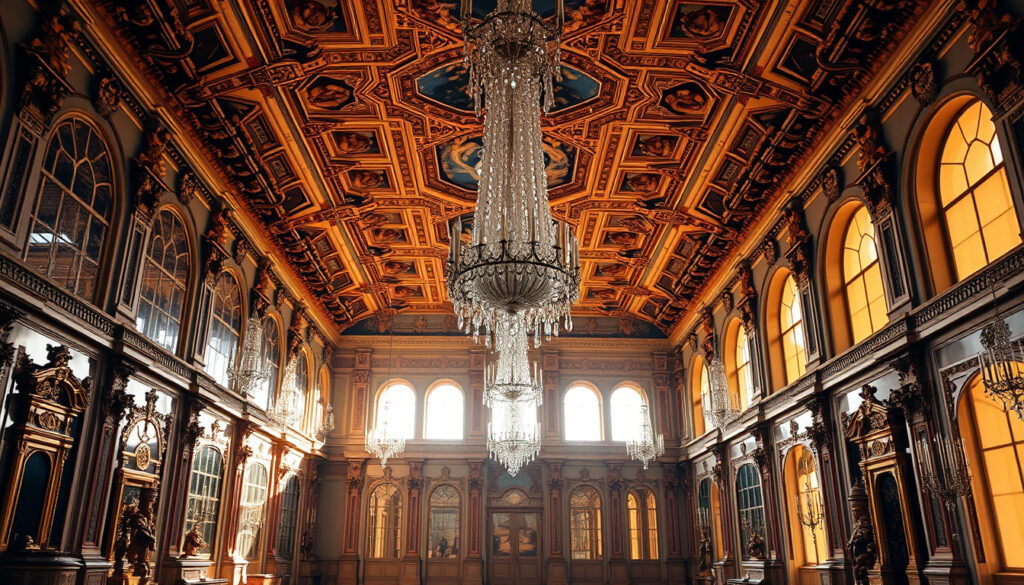
Louis XIV: The Sun King, Versailles & Hygiene Myths
Most people know Louis XIV as the Sun King, the man who built Versailles and turned court life into a glittering, ritualized stage. But the more you dig into the myths around him—especially the ones about his hygiene and daily routines—the more you realize the legend and the man are two different stories. His reign lasted an astonishing 72 years, a record that still stands in European history, and that same blend of fact and folklore is exactly what makes him such a fascinating figure to untangle today. You’ll see why his palaces, his perfume, and even his baths tell a far more nuanced story than the one that usually gets repeated.
Key facts
- 72 years (1643–1715) Source
- Versailles Source
- The Sun King Source
- 6 Source
Reign: 72 years · Palace: Versailles · Known as: The Sun King · Legitimate children: 6
Louis XIV’s long reign
Louis XIV became king at the age of four, but his real power began when he took personal control of the government in 1661. His reign stretched from 1643 to 1715, making it the longest in European history—a record that remains unbroken, according to Britannica. During that time, he transformed France into the dominant power in Europe, but he also centralised the state around his own person to an unprecedented degree.
Bottom line: Louis XIV’s 72-year reign was a political marathon that reshaped both France and the idea of monarchy itself—but it ended with a fragile succession and an exhausted kingdom.
The sheer length of Louis’s rule gave him time to imprint his personal preferences on French institutions, from court etiquette to colonial policy. The implication: his longevity was not just a matter of survival—it was a tool for reshaping a nation.
Versailles: Palace of splendor and smell
The popular image of Versailles as a palace drowning in filth and bad smells is widespread, but the historical record suggests something more complicated. Yes, the court was crowded, and sanitation was far from modern, but the reality was not the unmitigated horror that legend describes, as This is Versailles, Madame notes. Court hygiene at Versailles existed, but it simply followed seventeenth-century standards—which were obviously not the same as ours.
- Louis XIV did bathe more often than the famous legend claims. Source
- Perfume and frequent clothing changes were part of his routine. Source
He was not a king who ignored his own body; he was a king who managed it within the limits of his era and his court’s demands. The smell of Versailles was less about personal neglect and more about the pressures of hosting thousands of aristocrats in one palace.
Bottom line: The Versailles filth story is a half-truth—life there was smelly by modern standards, but Louis XIV personally used perfume, changed clothes often, and bathed more than the myth allows.
Louis XIV built Versailles as a showcase of control and order, yet the same palace became the source of his worst hygiene rumors. What this means: the very monument to his power also fueled the myths that would outlive him.
The bathing myth: How often did Louis XIV really bathe?
The claim that Louis XIV only bathed twice in his life is one of the most persistent myths about him, but historians now widely dispute it. According to Château de Versailles, the king’s daily routines included more than ceremonial display; he reportedly took warm baths later in life, especially after surgeries, and his physicians recommended them for health reasons.
- Bathing in the seventeenth century was less about being clean and more about balancing bodily humors. Source
- Louis XIV reportedly took warm baths later in life, especially after surgeries. Source
- Marie Antoinette, who arrived much later, was also the subject of exaggerated hygiene rumors—but that’s a separate legend. Source
The legend of the Sun King’s body odor is tied to a broader anxiety about court life and public health. But the historical record, including accounts from his own physicians, paints a more balanced picture. Even at the end, Louis XIV was thinking about continuity, not just his own legacy. The state would outlive him, and it did—but the myths about his body and his palace would linger far longer than his reign.
Bottom line: The hygiene stories about Louis XIV are not clean-cut facts—they mix medical ignorance, court pressures, and a desire to reduce a complex king to a one-line joke.
When you see a claim about Louis XIV’s bathing habits, ask whether it comes from a court chronicle, a satirical pamphlet, or a modern historian—the source changes the story. The pattern: each genre had its own agenda, from flattery to political sabotage.
The man behind the crown: Personality and image
That doesn’t make him modern—he was very much a product of his time—but it does make him more interesting than the caricature. Louis XIV was a deliberate, image-conscious ruler who understood the power of appearance. The catch: his personal habits were far more managed than the myths suggest, and his legacy is more about statecraft than smell.
Bottom line: Louis XIV was a deliberate, image-conscious ruler whose personal habits were far more managed than the myths suggest—his legacy is more about statecraft than smell.
Louis XIV traded private comfort for public performance, and that performance defined both his success and the legends that followed him. The implication: his reign was a lifelong act, and the myths are part of that performance.
Court life and the reality of Versailles hygiene
Versailles was not just a palace—it was a machine for turning nobles into dependents. The stories about chamber pots, perfume, and body odor emerged from that pressure cooker. As This is Versailles, Madame explains, the court was full of people living close together, with limited sanitation and constant social performance. Louis XIV did use perfume, did change his clothes regularly, and did bathe more often than the legend claims, according to Offbeat France.
The real story is not about one man’s habits—it’s about how a court functioned before modern sanitation. The smell of Versailles was a social consequence, not a personal failure.
Bottom line: The odor of Versailles was a social consequence, not a personal failure—and Louis XIV’s own routine included measures far more deliberate than the myth allows.
Understanding court life on its own terms reveals a king who was more attentive to his body than popular culture admits—and that changes how we see the entire palace.
The Sun King’s legacy: More than a smell
The old myth that he bathed only twice in his life is now widely disputed. Historians have found records of him taking warm baths, especially later in life, and his physicians recommended them for health reasons. Louis XIV remains a figure who invites exaggeration, but the evidence shows a leader who was calculating, image-conscious, and far less helpless in his daily routine than legend suggests. His reign was long, his palaces were grand, and his court was intense—but the man behind the myth was managing his body and his image with far more care than the jokes allow.
“The King is the state, and the state is the King—but even the Sun King had to wash his hands before dinner.” That quip captures the tension between the legend and the man, but the record shows a king who was neither a slob nor a saint—just a ruler who adapted to the constraints of his era.
Bottom line: Louis XIV’s legacy is built on statecraft, not smell—and the hygiene myths tell us more about our own assumptions than about the man himself.
The next time you hear a wild claim about Louis XIV’s bathing habits, check the source. The pattern: rumors often outlive the truth, but the historical record is there for those who look.
Related reading: Catherine de Medici: The Serpent Queen’s Life and Legacy · Adam Smith: Father of Modern Economics – Biography & Theories
preceden.com, louis-xiv.de, worldhistory.org, bbc.com, britannica.com, conexaoparis.com.br, en.wikipedia.org, chateauversailles.fr
Frequently asked questions
Why did Louis XIV build Versailles?
Louis XIV built Versailles to centralize power and keep the nobility under his watchful eye, transforming a hunting lodge into a symbol of absolute monarchy. The palace became a stage where courtiers competed for favor, and the king controlled everything.
Why was Louis XIV called the Sun King?
He adopted the sun as his personal symbol, representing life, power, and the centrality of the monarchy in French life. The sun god Apollo was associated with order and the arts, aligning with Louis’s image as a patron of culture and a source of all authority.
How did Louis XIV treat his people?
Louis XIV ruled as an absolute monarch, believing his authority came directly from God, and he rarely consulted the Estates-General. His policies, including wars and tax burdens, fell heavily on the peasantry, but he also promoted economic growth through mercantilism and supported the arts.
What did Louis XIV say on his deathbed?
He reportedly told his successor, “Do not imitate me in my taste for building or war,” urging his heir to avoid the costly wars that had drained France. He also emphasized the importance of peace and religious unity, though the exact wording varies in accounts.
Which king only bathed twice?
The myth about bathing only twice in a lifetime is often attributed to Louis XIV, but historians now dispute it. He actually took warm baths later in life, especially after surgeries, and used perfume and linen changes as part of his routine.
Did Louis XIV bathe?
Yes, Louis XIV bathed more often than the legend claims, though not daily like modern standards. His physicians recommended warm baths for health, and records show he took them, especially in his later years.
What was hygiene like at Versailles?
Hygiene at Versailles was poor by modern standards—there were few bathrooms and no running water in the palace. The court relied on chamber pots, perfume, and linen changes to manage odors, but the reality was far from the unmitigated filth described in legend.
Does Versailles still smell today?
No—modern renovations and visitor management have transformed the palace into a clean, controlled environment. The smell of the past is a myth that belongs to the era before sanitation, not to the current site.
What were Louis XIV’s major accomplishments?
His major accomplishments include building Versailles, centralizing French government, promoting the arts, and expanding France’s borders through wars. He also revoked the Edict of Nantes in 1685, which had lasting religious consequences.
Why is Louis XIV so famous?
He is famous for his 72-year reign, the longest in European history, and for personifying absolute monarchy. His construction of Versailles and his patronage of art set a standard for royal grandeur that influenced Europe for generations.
What were Louis XIV’s last words?
His last words are often quoted as “I am dying, I am going to God,” though exact accounts vary. He reportedly also advised his successor to prioritize peace and avoid unnecessary wars, reflecting on the costs of his own reign.
More related posts
 Giorgia Meloni: Biography, Political Views, and Personal Life
 Jamie Sives Biography: Age, Movies, Game of Thrones Role
 Jacob Fearnley: Age, Height, Nationality, Father, Girlfriend
 PDC Darts Live Scores – Results, Schedule & Standings
 George Russell: Family, Illness, and Verstappen Rivalry
 Claudia Heffner Peltz: Model, Mother, and Matriarch
 Scott Thomas: ADHD, Twin Status, Relationships & Net Worth
