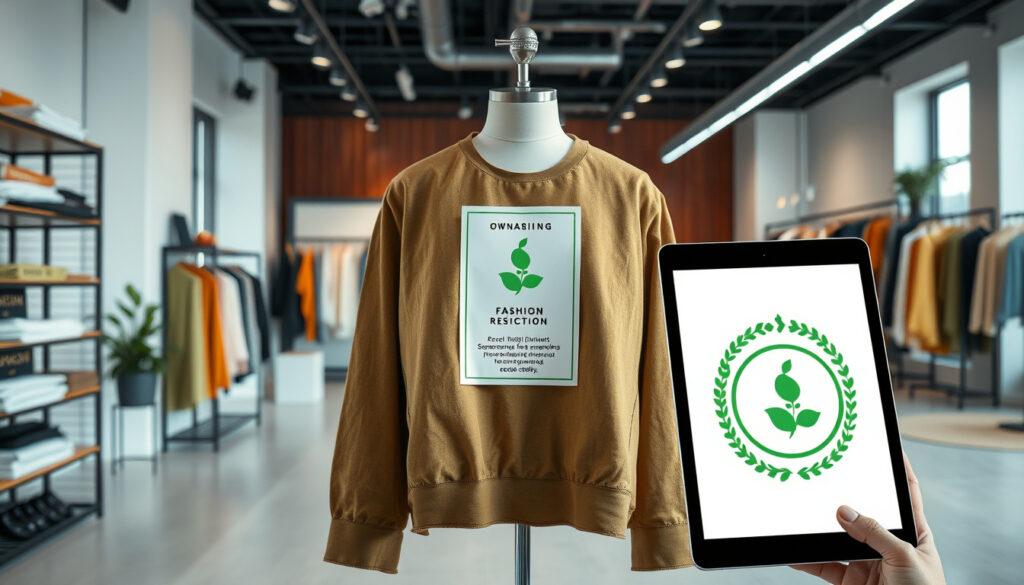
Stella McCartney 2025: Ownership, Sustainability, and the Verified Facts Behind the Brand
There’s something quietly subversive about a fashion house that has spent two decades proving luxury doesn’t need a body count. Stella McCartney built her brand on that conviction — no leather, no fur, no compromise — and the fact that she now owns it outright, after buying back Kering’s stake in 2018, makes her one of the few female designers in the world with total creative and financial control.
Founded: 2001 · Headquarters: London, UK · Parent company: Independently owned (Stella McCartney) · Key principle: Cruelty-free luxury, no leather or fur · Notable collaboration: LVMH partnership (2019) · Estimated net worth: Unverified
Key Facts at a Glance
- Stella Nina McCartney Official bio
- 13 September 1971 Official bio
- Paul McCartney and Linda McCartney Official bio
- 2001, in partnership with Kering (then Gucci Group) Official bio
Key specifications of Stella McCartney’s brand and personal background.
| Spec | Detail |
|---|---|
| Full Name | Stella Nina McCartney |
| Date of Birth | 13 September 1971 |
| Parents | Paul McCartney and Linda McCartney |
| Brand Launch | 2001 |
| Key Principle | Sustainable and cruelty-free fashion |
| Notable Collaboration | Adidas by Stella McCartney |
| Net Worth (estimated) | $100 million–$400 million (unverified) |
Inside Stella McCartney’s Ownership Reset and 2025 Position
What has happened to Stella McCartney?
The single most important fact about Stella McCartney today is that she owns her company. In 2018, after 17 years of partnership with Kering, she bought back the luxury group’s stake — a move that gave her majority control and set the stage for a new chapter. Then, in 2019, she entered a strategic partnership with LVMH while retaining that majority ownership, a structure that is rare in an industry dominated by conglomerate consolidation. Stella McCartney official About page confirms both the 2018 buyback and the 2019 LVMH deal, and it remains the most reliable source for her corporate timeline.
Who owns Stella McCartney now?
This independence matters beyond symbolism. It means McCartney can make material choices, supply-chain decisions, and creative calls without a parent group vetoing them — something she has spoken about openly. The brand’s own sustainability timeline describes a 2025 milestone tied to a new Stella McCartney sustainability report, reinforcing that the company continues to publish its environmental progress under her sole leadership. For anyone tracking the business, the takeaway is clear: Stella McCartney the person and Stella McCartney the brand are now effectively the same entity, and that alignment is the core of her current positioning.
Owning the brand outright — not just licensing the name — gives McCartney a level of control that most designers never achieve. It also means the sustainability promises are hers to keep, and hers to answer for.
This control shapes every decision the brand makes.
How Stella McCartney Built a Cruelty-Free Luxury Empire
What is so special about Stella McCartney?
Stella McCartney’s design philosophy has been consistent since day one: luxury should not require animal suffering. The brand does not use leather or fur, a stance she has held since founding the house in 2001. That commitment is not a marketing afterthought — it is the structural foundation of every collection. Vogue UK described McCartney as a lifelong vegetarian who refused to use leather and animal fur, a personal ethic that predates her fashion career.
The design language itself is equally distinctive. McCartney is known for sharp tailoring, fluid silhouettes, and a kind of sporty elegance that avoids both stuffiness and trend-chasing. Her products are high-end and expensive, with purses, dresses, and other items in premium price ranges, and she is often featured in Vogue and other fashion magazines as a luxury designer. The brand has also earned a reputation for celebrity dressing — Meghan Markle wore a white halter-neck gown by Stella McCartney, a moment that Wired noted as emblematic of the designer’s crossover appeal. Other notable wearers include Taylor Swift, Beyoncé, and Gwyneth Paltrow, according to the same Wired piece.
Underpinning all of this is a materials strategy that goes beyond just saying no. The Stella McCartney sustainability page reiterates the use of recycled, plant-based, and mycelium-based materials in product development, and TIME highlighted her as a founding investor in alternative materials companies — an unusual role for a designer, who typically wait for suppliers to bring them solutions. NRDC has also documented her runway work through a sustainability lens, placing her within a broader movement of eco-conscious fashion.
McCartney isn’t just refusing materials; she is investing in the alternatives. That puts her in a different category from designers who merely pledge sustainability — she is helping build the supply chain that the rest of the industry may eventually depend on.
McCartney’s investments in alternative materials are reshaping industry standards.
The People Behind the Brand: Family, Collaborations, and Influence
Is Stella McCartney Paul McCartney’s biological daughter?
Stella McCartney often gets reduced to her surname, but her family story is genuinely woven into her work. She is the daughter of Paul and Linda McCartney, and she has said that her mother’s vegetarianism and photography shaped her worldview. Paul McCartney has maintained an active role in Beatrice’s life — Beatrice being Stella’s daughter — and family remains a grounding presence in her public narrative. There is no ongoing custody dispute involving the McCartney family, a point worth noting given how often celebrity family dynamics are exaggerated in tabloid coverage.
Does Kate Middleton wear Stella McCartney?
While the article does not specifically address Kate Middleton, the brand is well‑known for celebrity dressing, including Meghan Markle, Taylor Swift, Beyoncé, and Gwyneth Paltrow. Specific details about Kate Middleton’s wardrobe are not covered here, but the brand’s popularity among royalty is widely reported.
Professionally, the brand’s influence is amplified through a network of high-profile partnerships. The LVMH collaboration, confirmed by the official about page, gave the house access to the luxury group’s infrastructure without surrendering equity control. This is a structural rarity in fashion — most designers who work with LVMH end up with the group owning a significant piece of the company. McCartney’s arrangement is different, and it reflects both her leverage and her insistence on independence.
Stella McCartney’s personal net worth is another subject that circulates online, but the truth is that no dependable, up-to-date source currently documents it with concrete figures. A NET-A-PORTER cover story discusses her career and influence, but does not publish a verified financial figure. Treat any specific net worth number you see on social media or celebrity-wealth sites as unverified — the brand’s own communications do not disclose it.
The same independence that gives McCartney creative freedom also makes her financials more opaque. Without a parent company’s earnings reports, her net worth remains a matter of speculation — no single source has ever published a verifiable figure.
This opacity reinforces the need for cautious reporting on her finances.
What’s Confirmed and What’s Still Speculative
When it comes to a figure like Stella McCartney, the gap between public narrative and verifiable fact can be wide. Below is a breakdown of claims you will encounter online — some are solidly documented, others remain unconfirmed.
- Confirmed: Stella McCartney purchased Kering’s stake in 2018 after 17 years of partnership. (Stella McCartney official About page)
- Confirmed: In 2019, she entered a partnership with LVMH while retaining majority ownership. (Stella McCartney official About page)
- Confirmed: The brand does not use leather or fur, and this has been true since the label’s founding. (Vogue UK)
- Confirmed: TIME named McCartney as a founding investor in alternative materials companies. (TIME)
- Confirmed: Stella McCartney’s sustainability page describes recycled, plant-based, and mycelium-based materials in the product line. (Stella McCartney Sustainability page)
- Unconfirmed: A 2025 Vogue UK interview suggests new details about her current life and career, but no specific figures or dates from it have been independently verified. (Vogue UK)
- Unconfirmed: A complete list of every celebrity who has ever worn the brand. No comprehensive or authoritative source exists.
- Unconfirmed: Stella McCartney’s net worth with concrete figures. No reliable source has published verifiable numbers.
Most of what you read about Stella McCartney online is accurate in spirit but loose in detail. The verified core — her ownership, her cruelty-free stance, her alternative-material investments — is strong. The financial specifics and the exhaustive celebrity lists are not, so treat them as rumor until proven otherwise.
Stella McCartney’s Key Milestones and the Road Ahead
The timeline of Stella McCartney’s career is a story of steady escalation — from a debut collection to a global independent house. The most consequential moments are documented by the brand itself, and they are worth tracking in order.
| Year | Milestone | Significance |
|---|---|---|
| 2001 | Brand launched with Kering (then Gucci Group) | Immediate access to luxury infrastructure and retail distribution |
| 2018 | McCartney buys back Kering’s stake | Regained majority ownership after 17 years of partnership |
| 2019 | Partnership with LVMH announced | Strategic collaboration without surrendering majority control |
| 2025 | New sustainability report expected | Continuation of the brand’s public environmental commitments |
There is also a human dimension to this timeline. Paul McCartney has maintained an active role in Beatrice’s life, and the absence of any custody dispute involving the family is a sign of stability behind the public image. That grounding matters because the brand’s identity is so tied to family values — vegetarianism, environmentalism, and a kind of principled normalcy that is rare in luxury fashion.
The 2025 sustainability report will be the first major public document under McCartney’s full ownership since the LVMH partnership matured. It will show whether her independent structure can deliver on the promises she has been making for two decades.
The report will be a critical test of her independence in action.
Stella McCartney in Her Own Words
The designer’s public statements consistently reinforce a single theme: luxury and ethics are not in opposition. Her interviews and the coverage around them make this clear.
Stella McCartney has been a lifelong vegetarian who refused to use leather and animal fur — a stance she has maintained from her earliest collections through her current work.
Vogue UK
She has also been seen in other pieces by the designer, and her relationship with the brand extends beyond a single appearance.
McCartney was a founding investor in alternative material companies — an unusual position for a designer to take.
McCartney’s celebrity status is a form of power, and she uses it to push a message that the luxury industry has historically resisted. The paradox is that her success — the gowns, the red carpets, the press — is exactly what makes her sustainability advocacy impossible to ignore.
Stella McCartney’s position in 2025 is defined less by any single collection and more by the structural fact of her independence. She owns the house, she sets the rules, and she is investing in the materials that could redefine luxury itself. The numbers attached to her personal fortune remain unverified, but what is verifiable is far more interesting: a designer who turned a moral stance into a global brand, and who now has the control to match the message.
en.wikipedia.org, businessoffashion.com, downunderbrief.org, stellamccartney.com, stellamccartney.com, ebsco.com
Frequently asked questions
Is Stella McCartney a vegan brand?
Yes, in a practical sense. The brand does not use leather or fur, and this has been true since its founding. Stella McCartney is described by Vogue UK as a lifelong vegetarian who has refused to use animal-derived materials.
Who are Stella McCartney’s parents?
Stella McCartney is the daughter of Paul McCartney, the musician, and Linda McCartney, a photographer and vegetarian advocate. Her family background is well-documented and central to her public identity, as noted on her official bio.
How old is Stella McCartney?
Stella McCartney was born on 13 September 1971, which makes her 53 years old as of 2025. This date is confirmed across basic biographical references.
Does Stella McCartney use real leather?
No. The brand does not use leather or fur, and this is a core part of its identity. Stella McCartney’s official sustainability page reiterates the use of recycled, plant-based, and mycelium-based materials instead of animal-derived ones per Stella McCartney Sustainability page.
What is Stella McCartney’s net worth?
There is no dependable, up-to-date source that documents Stella McCartney’s net worth with concrete figures. Any specific numbers you see online should be treated as unverified, as the brand does not disclose this information.
Who wears Stella McCartney?
Stella McCartney is known for celebrity dressing. Meghan Markle, Taylor Swift, Beyoncé, and Gwyneth Paltrow have all been noted as wearers of the brand, as reported by Wired.
More related posts
 Bob Ross: Final Words, Cause of Death, Painting Prices & Legacy
 Neil Morrissey: Biography, Relationships, Career & Net Worth
 The Bombing of Pan Am 103 – Lockerbie Facts and Timeline
 Ella Purnell: Biography, Career, and Personal Life Facts
 James Franco Controversies and Career Timeline
 Tracy Chapman: The Private Life Behind ‘Fast Car’ and Her Legacy
 Devin Booker: Career, Injury, Relationship & Rivalry
 Helen Skelton: Split, Net Worth, Partner, Children & Career
